
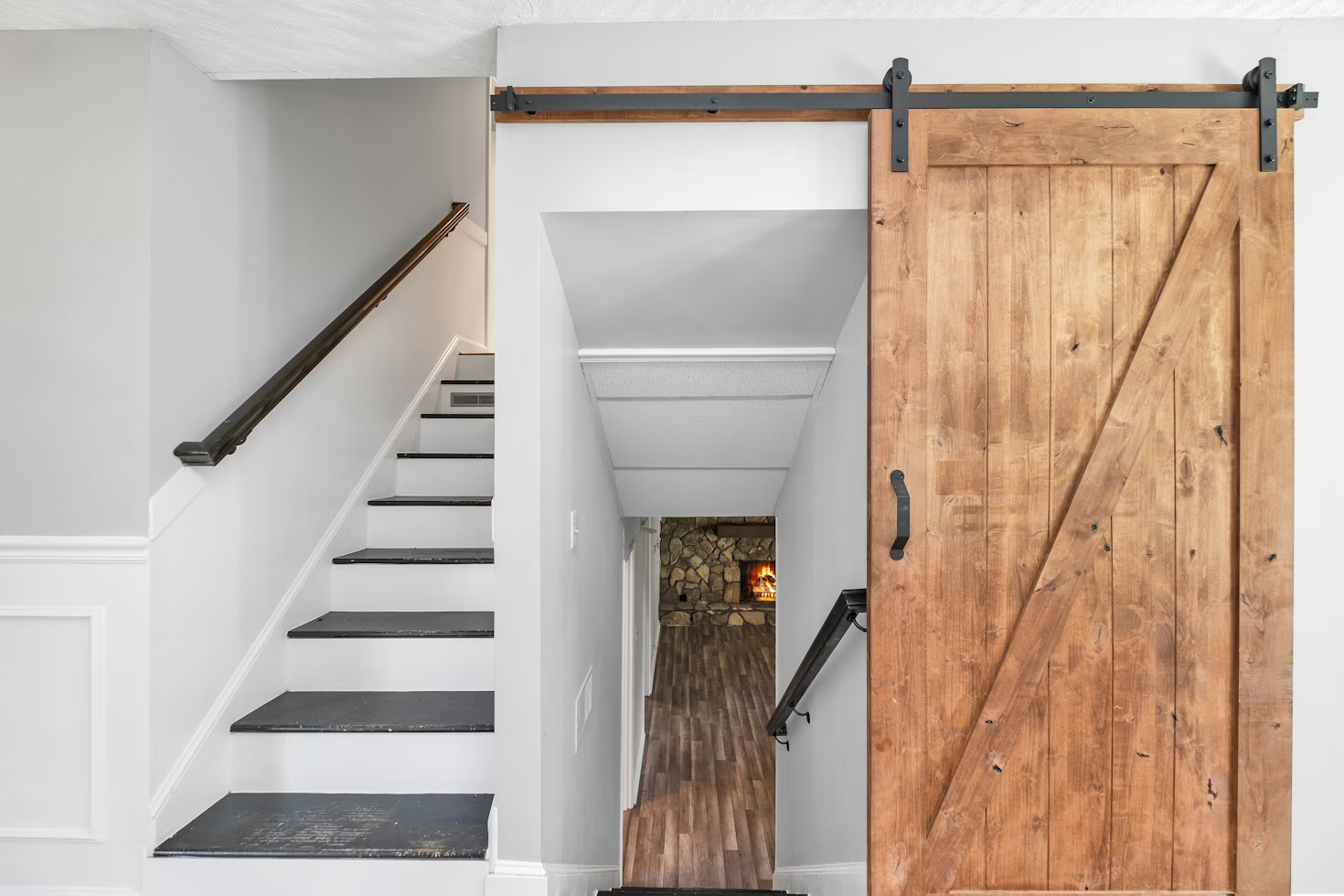
Proper maintenance plays a central role in extending the service life of a hanging door system. Although day-to-day operation may appear uncomplicated, neglecting routine checks can result in avoidable wear, mechanical failure, or premature replacement. Consistent attention to components such as the door track, rollers, fixings and seals helps preserve reliable performance and reduces long-term repair costs.
Routine Cleaning
Regular cleaning forms the foundation of effective maintenance. Dust, grit and debris naturally accumulate along the door surface, track and moving components. If left unattended, this build-up can obstruct movement and accelerate wear.
The door surface and exposed hardware should be wiped periodically with a soft, damp cloth. Particular attention should be given to the track, where small stones or compacted dirt can interfere with smooth travel. Corners and recessed areas often collect the most debris and should be checked carefully. Keeping the track clear allows the rollers to move freely and reduces strain on the entire system.
Lubrication of Moving Parts
Smooth operation depends on adequate lubrication. Rollers, hinges and tracks are subject to ongoing friction, especially in frequently used installations. Applying a silicone-based lubricant every few months helps minimise resistance and mechanical stress.
Oil-based products are generally unsuitable, as they tend to attract dust and create residue. A light application along the track and onto the rollers is sufficient. After application, sliding the door back and forth ensures even distribution. Proper lubrication supports quieter movement and prolongs component life.
Securing Fixings and Hardware
Because hanging doors bear weight from overhead supports, their fixings experience regular vibration and movement. Over time, screws, bolts and mounting brackets may loosen. Periodic inspection of all hardware is therefore essential.
Loose fixings should be tightened promptly, with particular focus on brackets and roller assemblies that carry the load. Any damaged or worn parts should be replaced without delay to prevent further strain on the system. Maintaining secure hardware preserves alignment and structural stability.
Inspecting for Wear and Damage
Visual inspection allows early identification of developing issues. The door panel should be checked for cracks, warping or distortion that could interfere with operation. Rollers should be examined for signs of uneven wear or deterioration.
The door should hang evenly and travel along the track without hesitation. Resistance, sticking or scraping may indicate underlying problems that require correction. Addressing minor defects early often prevents more significant mechanical failure.
Maintaining Correct Alignment
Alignment directly influences performance. A misaligned door can create uneven pressure on rollers and brackets, increasing wear and making operation difficult. Common causes include loose hardware, structural movement or changes in the door material.
If the door appears uneven or rubs against surrounding surfaces, adjustments may be required. Minor misalignment can often be corrected by adjusting roller screws or bracket fittings. Persistent alignment problems may require professional assessment to prevent further damage.

Weather Protection
In environments exposed to changing weather conditions, protection against moisture and draughts is particularly important. Seals and weatherstripping help prevent water ingress and maintain interior comfort.
These components should be inspected periodically for cracks, compression damage or detachment. Replacing worn seals maintains effective insulation and protects internal hardware from moisture-related deterioration.
Managing Rust and Corrosion
Metal components exposed to humidity or outdoor conditions are susceptible to corrosion. Early signs of rust should be treated using an appropriate cleaner, followed by a protective coating where necessary.
Selecting galvanised or powder-coated hardware can reduce long-term corrosion risk. Preventative treatment extends the lifespan of tracks, brackets and fasteners, particularly in coastal or damp environments.
Assessing Structural Integrity
The overall structure of the door should also be evaluated. Wooden doors may expand or contract due to temperature and humidity changes, while metal doors can deform under sustained load or impact. Signs of bowing, bending or separation from the mounting surface indicate potential structural concerns.
The supporting frame must remain secure and stable. Any movement between the frame and its fixing surface should be addressed to maintain safe operation.
Professional Inspection
While routine checks can be conducted by property owners or facility managers, certain systems benefit from periodic professional servicing. Large, heavy or commercially operated doors may require specialist evaluation at least once a year.
Professional inspections can identify hidden wear within roller mechanisms, support brackets or structural fixings. Early technical intervention can prevent costly repairs and extend the operational life of the installation.
Conclusion
Consistent maintenance ensures that a hanging door system remains functional, safe and durable. Cleaning, lubrication, hardware inspection and alignment checks form the core of an effective maintenance routine. Additional attention to weather protection, corrosion control and structural stability further supports long-term performance. By adopting a structured approach to upkeep, property owners can reduce avoidable damage and maintain dependable operation over time.