
Professional and amateur decorators alike often wonder about the intricacies involved in determining how long paint takes to dry. The answer, however, involves more than simply watching the hands of a clock spin around. Drying time is influenced by an array of factors, including the type of paint used, environmental conditions, and the surface being painted. For a more detailed exploration of these dynamics, you can find comprehensive information on how long paint takes to dry.
Types of Paint and Their Drying Times
The drying time of paint is heavily dependent upon the type of paint in use. Let’s delve deeper into some of the most common types:
- Acrylic Paint: This popular choice is known for its fast-drying properties. Typically, acrylic paint feels dry to the touch within 30 minutes to 2 hours. However, while surface drying may be rapid, a fully cured coat can take about 24 to 48 hours.
- Oil-Based Paint: Known for its durability and smooth finish, oil-based paint takes significantly longer to dry. It usually takes 6 to 8 hours to become touch-dry, with a full cure occurring after 72 hours. The extended drying time must be considered when planning multiple coats or waiting to use the painted area.
- Water-based (acrylic) paint: Similar to acrylics, water-based (acrylic) paints are water-based and generally dry quickly. The typical drying time is about 1 to 2 hours for the surface layer, although total curing could take up to 30 days under certain conditions.
Environmental Factors
Beyond the type of paint, various environmental factors can significantly affect drying times:
- Humidity: High humidity levels in the air can drastically extend the drying time of paint. The moisture in the air prevents water-based paints from evaporating effectively, thereby slowing down the drying process.
- Temperature: Paint dries fastest within a specific temperature range, generally between 10°C and 30°C. If temperatures fall below this range, drying slows dramatically, while much higher temperatures can cause the paint to dry too rapidly, leading to unsatisfactory finishes.
- Ventilation: Adequate airflow ensures solvents in paint evaporate effectively, promoting quicker drying times. A well-ventilated room will allow air to circulate freely, reducing both the touch and cure times of paint.
The Role of Substrates
The surface or substrate being painted is another crucial factor. Paint applied on porous surfaces like drywall may dry faster than non-porous surfaces, such as metal or glass. Porous materials often absorb the paint’s liquid components quickly, thus hastening the drying process. Meanwhile, substrates like metal require additional drying time due to their lack of absorbency and potential for surface condensation.
Techniques to Speed Up Drying
For those eager to accelerate the drying process, several effective techniques can be employed:
- Use a Dehumidifier: Lowering the humidity in an environment can expedite drying. Dehumidifiers can extract excess moisture from the air, making it ideal for faster drying of water-based paints.
- Increase Ventilation: Fans or open windows can encourage airflow, helping to carry away evaporating solvents more swiftly.
- Controlled Use of Heat: Applying mild heat sources, such as space heaters, can reduce drying times significantly. However, caution should be applied to avoid overheating the area, which might negatively impact the paint’s texture and durability.
- Thinning: Thinning the paint slightly according to the manufacturer’s instructions can result in a thinner layer that dries more quickly. Using too much thinning can affect the paint’s coverage and finish, so caution is advised.
Best Practices for Optimal Results
Ensuring the desired finish requires a combination of patience and technique. Adhere to the recommended drying times between coats to prevent issues such as streaking or bubbling. While multiple thin coats may take longer initially, they generally provide a more durable and aesthetically pleasing finish in the long run.
Before painting, cleaning and preparing the surface properly can also influence drying times and overall effectiveness. Dirt, dust, and grease can slow down the drying process and potentially compromise adhesion.
Understanding the Difference Between Drying and Curing
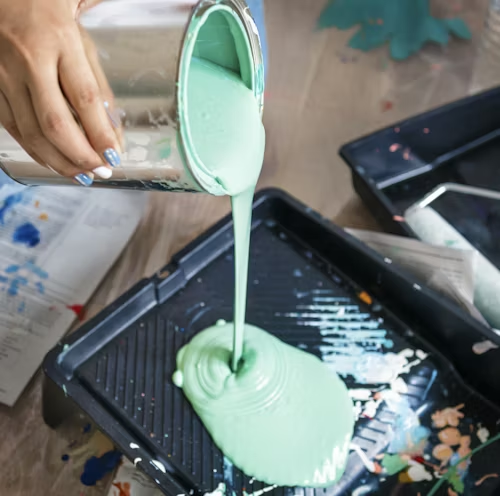
While often used interchangeably, “drying” and “curing” refer to two distinct stages in the paint process. Drying occurs when the solvents or water in the paint evaporate, leaving the surface dry to the touch. Curing, on the other hand, is a longer chemical process where the paint fully hardens and achieves its maximum durability and adhesion. Even if paint feels dry within hours, it may take days or even weeks to fully cure, depending on the type of paint and environmental conditions. Understanding this distinction is essential, especially when moving furniture back, cleaning surfaces, or applying additional coats, as premature use can damage the finish.
In conclusion, while the paint drying process might appear straightforward, its complexity becomes apparent when considering the numerous variables that influence it. By understanding the types of paint, environmental conditions, substrate effects, and best practices, decorators can more accurately predict drying times and achieve high-quality results. Each scenario may differ, but this fundamental knowledge provides a solid foundation to tackle any painting project confidently.