
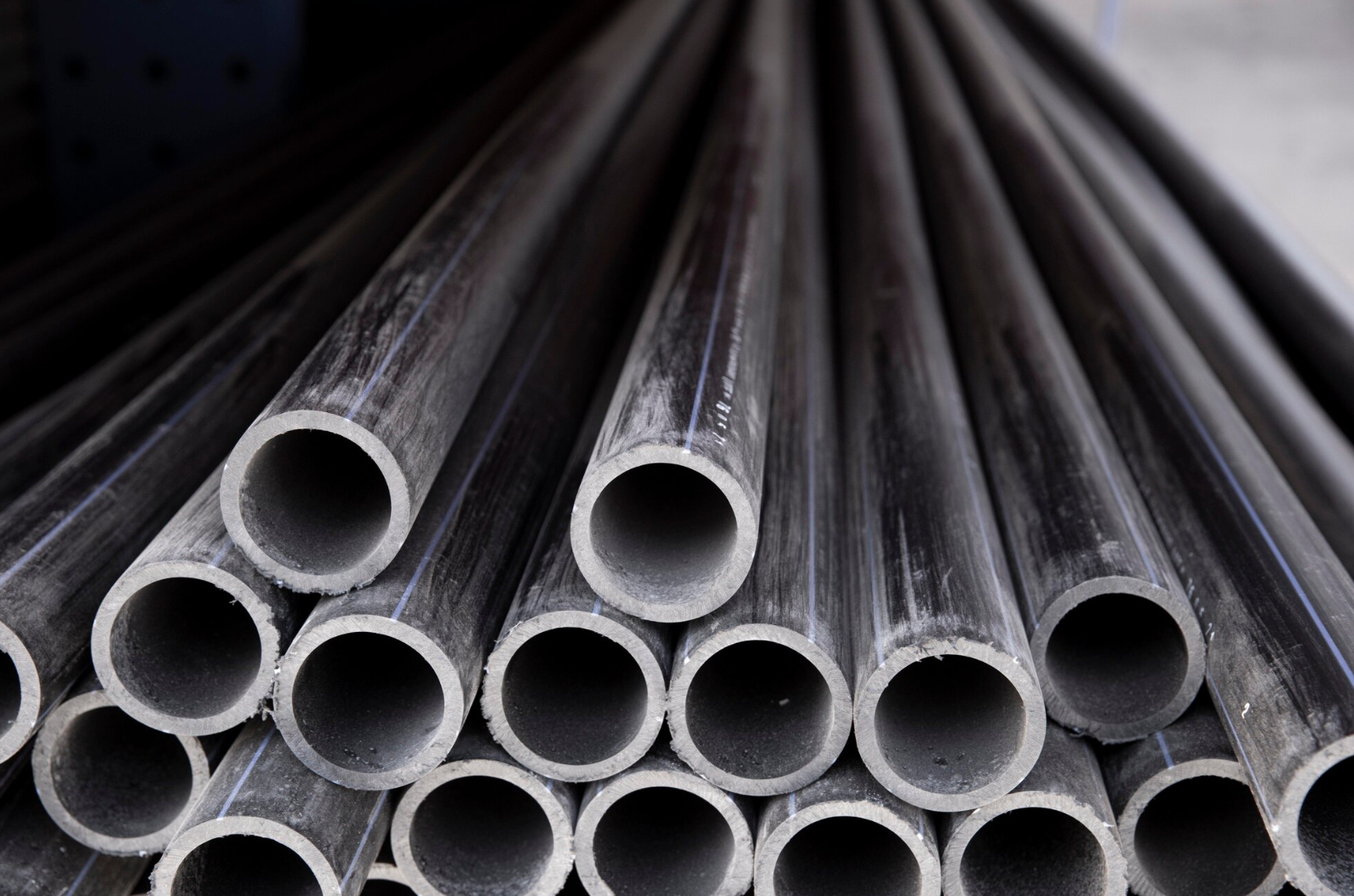
Across construction sites, production facilities, and transport engineering workshops, material selection shapes performance, safety, and longevity. Among the options available, the 25mm stainless steel tube holds a distinctive position. Its balanced proportions, resistance to corrosion, and adaptability allow it to serve practical and visual purposes across varied sectors. From structural frameworks to refined interior details, this tube size delivers dependable results in both technical and design-driven projects.
Material Composition and Performance Characteristics
Stainless steel is an iron-based alloy containing chromium as its defining element. When chromium interacts with oxygen, it forms a thin protective layer on the surface of the metal. This layer shields the material from rust and staining, even in damp or chemically exposed environments. Other elements such as nickel, molybdenum, and titanium may be introduced to adjust strength, ductility, or resistance to heat and corrosion.
This composition results in a material that combines durability with low maintenance requirements. Stainless steel retains its finish over time, resists surface damage, and performs reliably under mechanical stress. These qualities explain its widespread use in industries where both hygiene and structural stability are required.
The Significance of the 25 mm Diameter
Diameter influences both structural capacity and installation flexibility. A 25 mm stainless steel tube occupies a middle ground between lighter decorative profiles and heavier industrial sections. It offers sufficient wall thickness to withstand load-bearing demands while remaining manageable during fabrication and assembly.
Designers and engineers frequently select this size when projects demand a neat visual profile alongside dependable strength. Its scale suits handrails, frames, supports, and protective barriers without appearing overly bulky. The dimensions provide room for fluid transport in plumbing and HVAC systems, yet remain compact enough for space-restricted installations.
Architectural and Construction Applications
Within the construction sector, stainless steel tubing features prominently in both structural and finishing elements. The 25 mm variant appears in handrails, balustrades, façade detailing, and secondary support members. Its resistance to corrosion makes it suitable for exterior settings exposed to rain, humidity, and fluctuating temperatures.
Architects often favour stainless steel for its clean lines and contemporary finish. Polished or brushed surfaces complement glass, stone, and timber, contributing to a refined visual outcome. Beyond appearance, the material’s strength supports safety requirements in public buildings, transport hubs, and residential developments. Minimal upkeep further strengthens its appeal, as surfaces remain presentable with routine cleaning.
Automotive Engineering and Transport Systems
Vehicle manufacturing relies on materials capable of withstanding heat, vibration, and mechanical strain. The 25 mm stainless steel tube appears in exhaust systems, roll cages, and reinforcement structures. Its favourable strength-to-weight ratio supports safety frameworks without imposing excessive mass.
In exhaust assemblies, resistance to high temperatures and corrosion extends service life. Moisture and combustion by-products can degrade lesser materials over time. Stainless steel maintains its integrity under these conditions, reducing the need for frequent replacement. Within performance vehicles, fabricated tubing provides structural rigidity that contributes to occupant protection during impact scenarios.
Industrial Manufacturing and Hygiene-Sensitive Environments
Production environments often expose materials to chemical agents, pressure variations, and continuous mechanical loads. Stainless steel tubing meets these demands in chemical processing plants, food production facilities, and pharmaceutical operations.
The non-porous surface of stainless steel discourages bacterial growth, which supports hygiene standards in food-grade and medical applications. Equipment frames, transfer lines, and protective guards frequently incorporate 25 mm tubing, balancing durability with practical installation. Its ability to withstand cleaning agents and sterilisation processes supports compliance with regulatory frameworks.
Plumbing and Climate Control Systems
In plumbing networks, tube diameter directly influences flow capacity and pressure tolerance. A 25 mm stainless steel tube accommodates water supply lines and certain gas systems in both commercial and industrial settings. Resistance to internal corrosion reduces the risk of contamination and pipe degradation.
Within heating, ventilation, and air conditioning systems, stainless steel tubing contributes to efficient heat exchange. The material’s structural stability allows it to function reliably in environments subject to temperature fluctuations. Over extended periods, it maintains dimensional accuracy, supporting consistent system performance.
Creative and Decorative Applications
Beyond engineering contexts, stainless steel tubes appear in artistic installations and interior design. The 25 mm profile provides a balanced proportion that suits furniture frames, lighting structures, and sculptural forms.
Designers can select polished finishes for reflective surfaces or brushed treatments for a subdued appearance. The material’s adaptability in bending and welding allows for custom shapes without sacrificing strength. These characteristics support creative projects that demand both structural reliability and refined presentation.
Environmental and Sustainability Factors
Sustainability considerations influence material selection across many industries. Stainless steel can be recycled repeatedly without loss of mechanical properties. This capacity reduces reliance on virgin raw materials and limits waste generation.
Long service life contributes to resource efficiency. When components resist corrosion and structural fatigue, replacement intervals extend. Fewer replacements translate into lower material consumption over time, aligning with responsible production practices.
Manufacturing Advances and Technical Progress
Advances in fabrication methods have refined the production of stainless steel tubing. Laser welding improves seam accuracy and reduces material distortion. Automated bending systems produce consistent curvature, supporting precision in complex assemblies.
Digital machining technologies provide tighter tolerances and repeatable quality. These developments broaden the range of applications available to designers and engineers, as reliable manufacturing techniques support both mass production and bespoke fabrication.
Cost Considerations and Practical Challenges
Stainless steel often carries a higher initial price compared with carbon steel or aluminium. This cost reflects alloy composition and production processes. In many cases, extended lifespan and reduced maintenance offset the upfront expenditure.
Installation may require specialised cutting and welding equipment. Skilled fabrication supports structural reliability and visual finish. Training and technical guidance from suppliers assist contractors in working efficiently with the material.
Conclusion
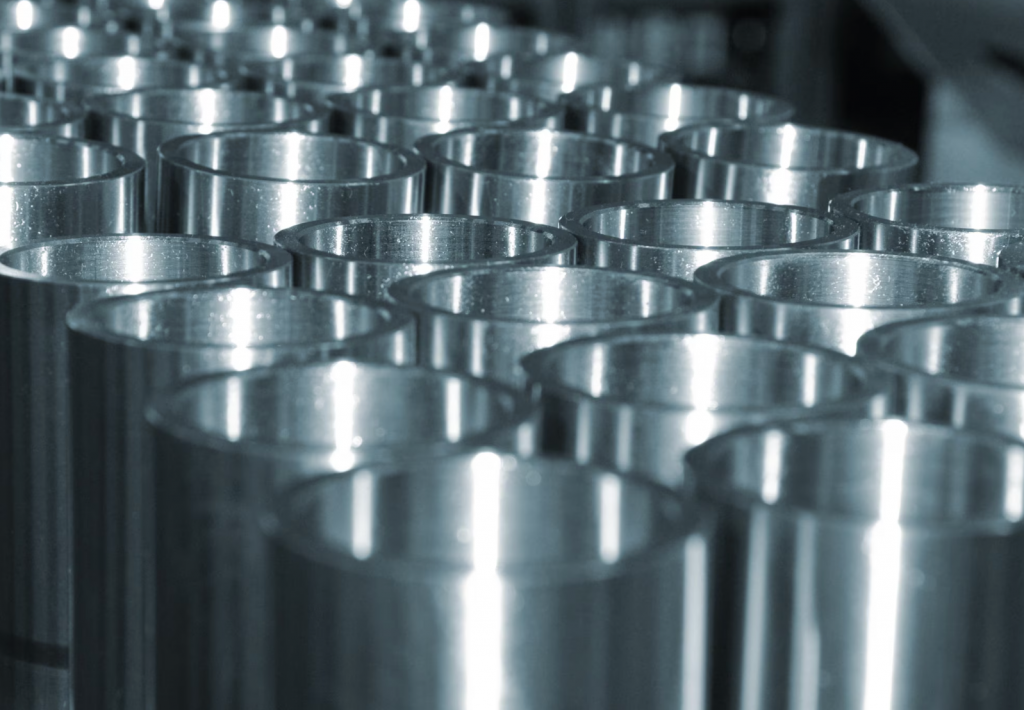
The 25 mm stainless steel tube occupies a prominent position across construction, transport engineering, manufacturing, and design. Its corrosion resistance, structural strength, and adaptable dimensions allow it to serve functional and aesthetic purposes within diverse settings. The balanced diameter supports both load-bearing capacity and manageable installation, making it suitable for frameworks, fluid systems, and decorative features.
Ongoing improvements in alloy development and fabrication technology continue to expand its potential uses. With durability, recyclability, and visual appeal combined in a single profile, the 25 mm stainless steel tube remains a dependable choice for projects that demand performance and longevity across modern industry.